- SMART Marketing
- Posts
- Selling in Ethiopia starts with understanding when people spend
Selling in Ethiopia starts with understanding when people spend
Fasting, feasting & the buying cycle

Rahwa Gebremeskel
May 14, 2025
For years, Ethiopia’s market stayed closed. That’s changing fast. Reforms are underway. New players are paying attention. Investment conversations are picking up.
But once you get past the ‘investment readiness’ talks, there’s a more grounded question that every leadership team should ask:
How do people actually spend money?
Not how much. Not just where.
But when, why, and what shapes the rhythm of their spending.
In Ethiopia, spending patterns don’t move in a straight line with income or inflation.
They are shaped by deep-rooted habits — influenced by tradition, religion, and cultural cycles.
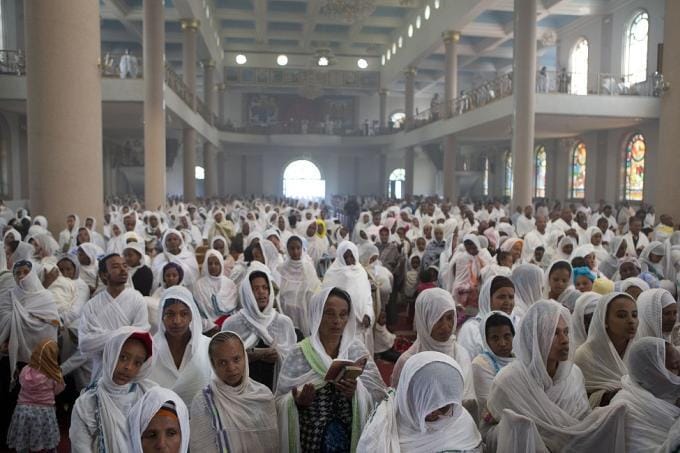
Image Source: SouthWorld
One of the most powerful yet often overlooked forces? Fasting.
Take Orthodox Christians for example: They make up around 40% of the Ethiopian population. They fast for more than 150 days a year. That’s nearly half the calendar.
And it’s not just about skipping meat or dairy products — it affects what people buy, when they shop, and how they celebrate. This isn't a side note. It's a market driver.
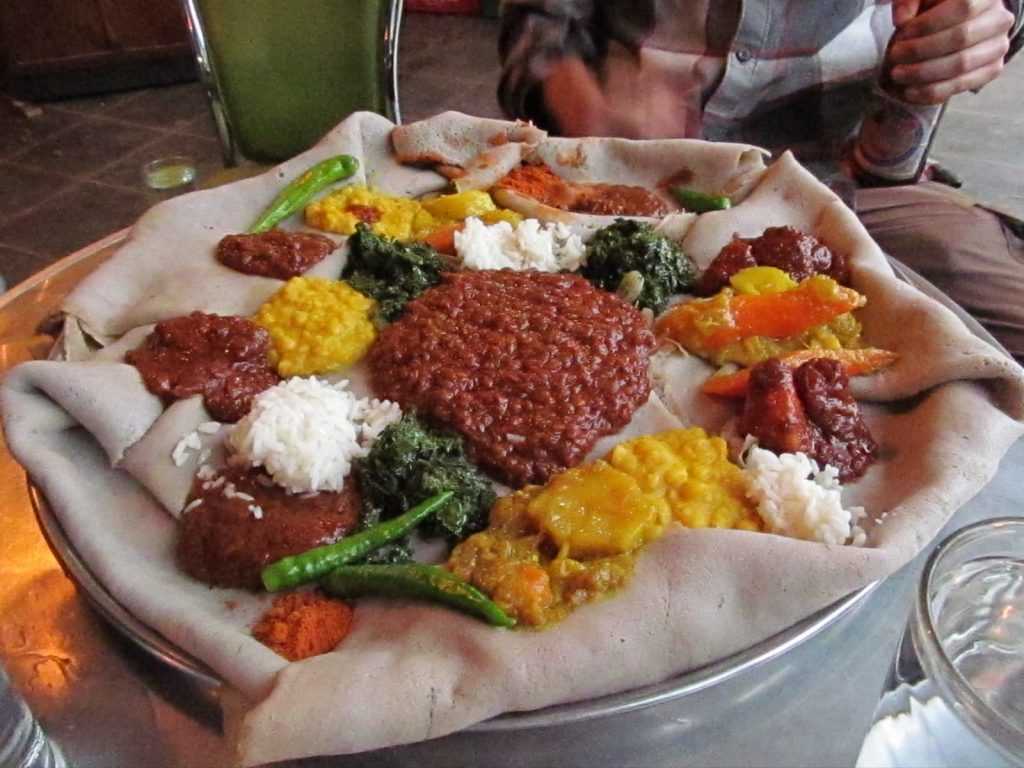
Image Source: Rayne Drops on Roses
Fasting in Ethiopia isn’t a one-time annual moment. It’s a built-in rhythm of life. And that rhythm drives shifts in demand — for food, hospitality, retail, even services. To help you understand how this plays out in real market terms, here are three key steps:
Recognizing the core fasting periods
Understanding how consumption shifts during and after fasting
Aligning your business and marketing strategies with the rhythm
Let’s break it down.
Step 1: Recognize the core fasting periods
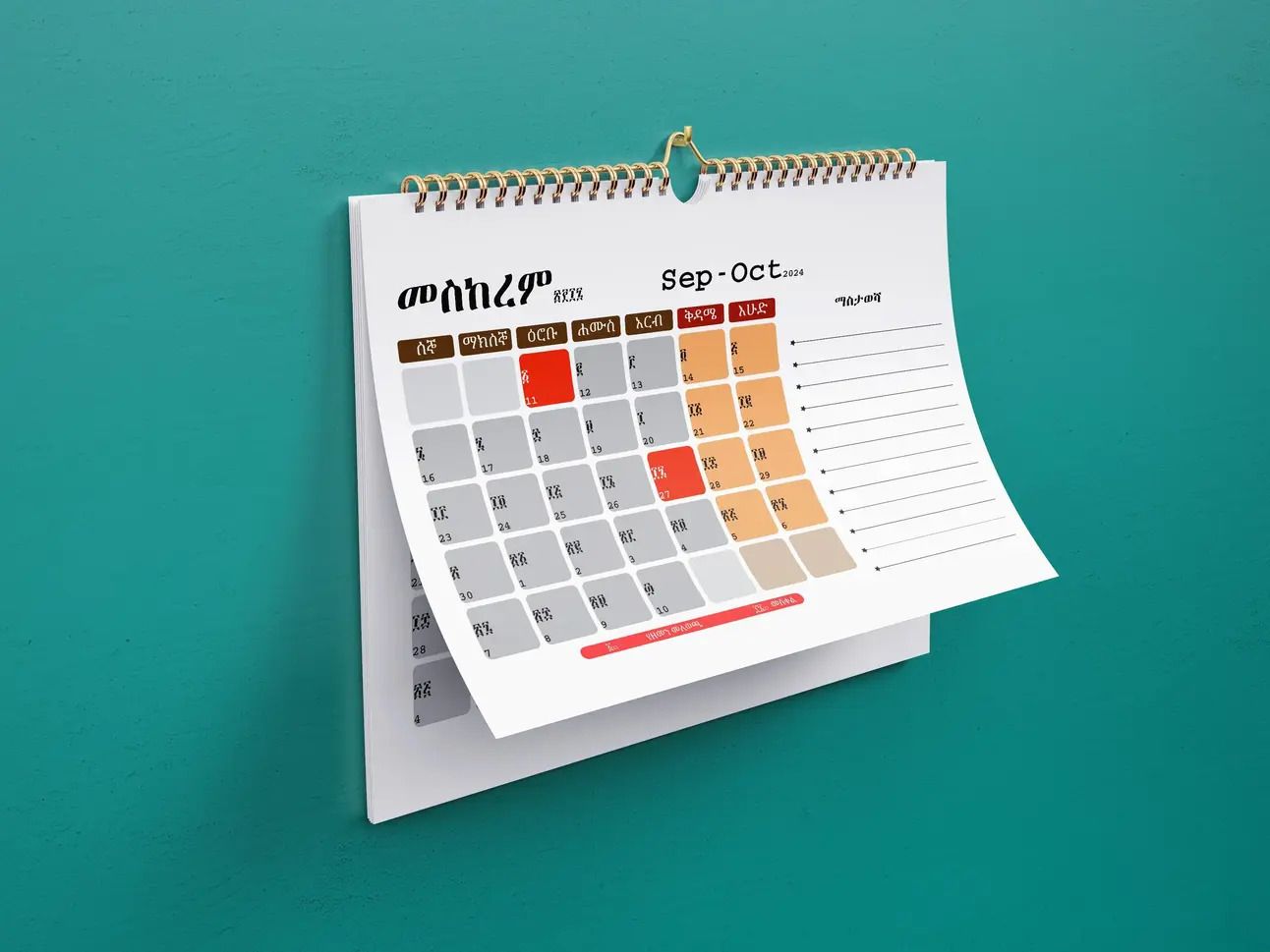
Image Source: Etsy
Orthodox Christians in Ethiopia follow a full calendar of fasting seasons. The biggest periods include:
Tsome Hudade (Lent) — 55 days leading up to Easter (Fasika)
This is the most intense fasting season. No meat, dairy, or animal products. Restaurants switch menus. Butchers and dairies see demand drop. After Fasika, there’s a spike in meat and dairy sales as families celebrate in full force.
Tsome Gedle (Advent) — 40 days before Ethiopian Christmas (Gena)
Similar pattern: extended fasting followed by a festive period of high consumer activity.
Weekly Fasts — Every Wednesday and Friday
These aren’t optional — they’re part of life for many. That means up to 8 or 9 days a month where consumption shifts to plant-based.
Across these periods, the rhythm is clear: restriction, then release. That rhythm shapes supply chains, marketing calendars, and consumer moods.
Step 2: Understand the consumption shift

Image Source: Feefo
When fasting kicks in, so does a dietary reset. Plant-based foods become the norm. Meat, dairy, and eggs drop off shopping lists.
Restaurants see slower traffic unless they offer fasting-friendly options. Supermarkets see more demand for lentils, chickpeas, fasting oils, and grains.
But once the fast breaks? Everything flips.
Post-fast periods like Easter and Christmas bring major spikes in spending. People shop, feast, host events, and indulge. The market comes alive again.
For businesses, this isn’t just a seasonal change — it’s a cycle you can plan around. Fasting narrows consumption, but the feasting opens up big windows for high-volume sales.
Step 3: Align business & marketing strategy

Image Source: Deposit Photos
Fasting and feasting aren't just cultural side notes — they are core to how people spend. This isn't about running the right promo or posting a timely ad. It’s about adjusting your entire business calendar.
From marketing campaigns to product launches, production schedules to inventory planning — everything should sync with this rhythm.
During fasting periods, expect lower demand in certain categories and lean into what consumers are actually looking for. In post-fast periods, be ready to scale: demand spikes, celebrations return, and people spend more freely.
Smart businesses don’t treat this as a seasonal promo. They treat it as a cycle to build their strategy around.
Thanks for reading.
I hope this helps you adjust your market entry with more cultural clarity and consumer insight. Stay tuned for more content like this and feel free to share this guide with someone building in Ethiopia.